Trusted Plumbing Company for Complete Plumbing Solutions
Knowing When to Hire a Plumbing Expert: Essential Signs for Residential Maintenance
Residents commonly miss faint warnings that signal plumbing issues. Persistent slow drains, dripping faucets, and unexplained water stains may seem insignificant, but they can suggest deeper problems. Ignoring these signs can lead to significant expenses and elevated expenses. Understanding when to contact a plumber is vital for keeping a sound plumbing system. What happens when these issues increase? The consequences might be more severe than one imagines.
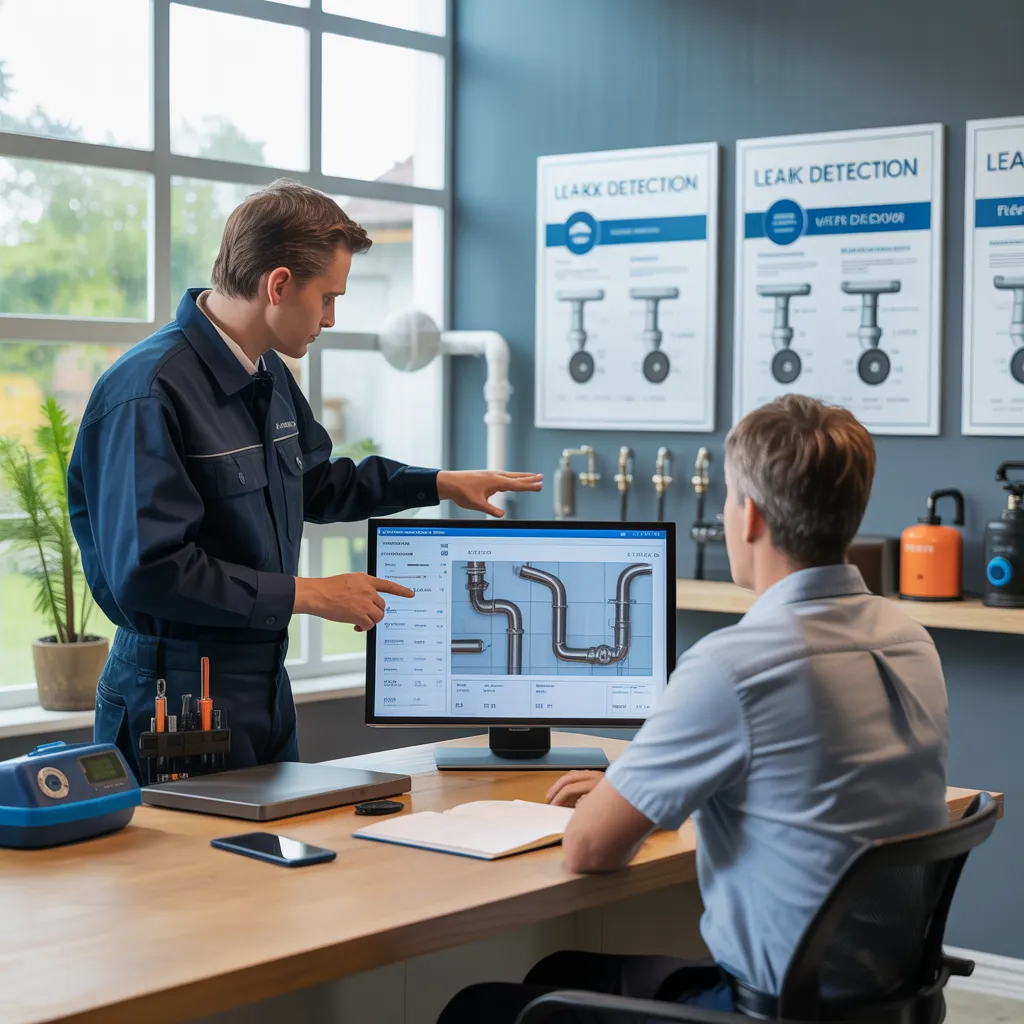
Frequent Plumbing Malfunctions That Should Never Dismiss
When homeowners face plumbing malfunctions, they often minimize the possible seriousness of the problems. Common plumbing issues such as slow drains, dripping faucets, and running toilets may seem minor at first glance, but they can lead to considerable harm over time. A slow drain, for instance, can suggest buildup in the pipes, which may eventually cause a obstruction. Dripping faucets not just waste water but can also suggest failing components or aging fixtures. Running toilets can squander hundreds of gallons of water monthly, resulting in elevated costs. Ignoring these signs can lead to larger repair jobs and higher expenses. Homeowners should be aware of these common problems and resolve them promptly. Consulting a plumbing expert can provide fixes that stop further complications, ensuring the durability of the plumbing system and the structural soundness of the home.
Indicators of Concealed Leaks: Methods to Recognize Them
Concealed leaks can create a significant threat to a home's drainage system, often escaping detection until they cause serious damage. Homeowners should stay alert for different indicators that suggest a hidden leak. One common sign is unexplained increases in utility costs, which may suggest water waste. Additionally, damp patches on floors, ceilings, or walls can reveal water infiltration. Fungal growth is another important sign, as it typically thrives in damp environments resulting from leaks. It is also crucial to inspect for water accumulation in basements or foundation areas, which can indicate a significant leak. Homeowners should heed for sounds of water movement with all faucets off, as it can indicate a concealed leak. Finally, fluctuations in water pressure when in use may also suggest underlying plumbing issues. Early detection of such warnings can help stop costly repairs and considerable harm.
What That Bad Smell Means for Your Plumbing?
A horrible smell coming from plumbing can suggest multiple underlying issues that demand immediate care.
Another source of bad odors may be a dry trap. If a sink or floor drain hasn't been used for some time, the water in the trap can evaporate, allowing sewer gases to escape into the home. Additionally, a more serious issue could involve a broken sewer line, which can lead to significant structural damage and health risks.
Homeowners should never dismiss these smells, as they frequently indicate problems that could escalate if left unaddressed.
Recognizing Water Pressure Changes
What causes fluctuations in water pressure can often perplex homeowners, as these changes can indicate various plumbing issues. A sudden drop in water pressure might suggest a leak in the system, particularly in hidden pipes. Conversely, an unexpected increase could signal a malfunctioning pressure regulator or an issue with the municipal supply.
Consistently fluctuating pressure rates could suggest broader network concerns, including deteriorated pipes or calcium deposits. Residents should monitor the regularity see guide of water delivery; if it becomes irregular, it might be wise to examine things more closely.
Furthermore, fluctuations in water pressure can influence devices and fittings, resulting in lower performance or possible injury to components over time. Recognizing these indicators helps property owners tackle emerging concerns promptly, avoiding expensive maintenance and guaranteeing a dependable plumbing setup. If uncertain, speaking with a plumber can offer insight and appropriate remedies.
Peculiar Noises: What Your Pipes Are Saying?
Have homeowners ever paused to listen to the odd sounds originating from their pipes? These sounds often serve as critical signals of concealed plumbing issues. Gurgling noises may suggest a blockage in the drain, while banging sounds, known as water hammer, can indicate high water pressure or loose pipes. A hissing noise might point to a leak, which, if left unaddressed, could lead to more significant damage. Whistling or screeching can signal issues with the water valve or faucet.
Spotting Water Damage Early to Avoid Issues
Water damage often remains hidden until it becomes a significant issue. Homeowners must remain vigilant for unexplained water stains, signs of mold growth, and damp smells, as these reveal hidden issues. Spotting these signs promptly avoids expensive restoration and additional deterioration.
Unusual Water Marks
Mysterious water stains on walls and ceilings act as a silent warning of underlying plumbing problems. These stains may manifest as dark patches or dark marks, often indicating leaks from plumbing or roof damage. Homeowners must pay close attention to the form, dimensions, and placement of these stains, as they may indicate how serious the issue is. If the stains persist or expand, it could indicate a greater concern that requires professional intervention. Ignoring these indicators lead to further damage, including structural problems or higher restoration expenses. Timely action is essential; calling a plumber help identify the source of the leaks and prevent additional complications, ensuring the home remains safe and structurally sound.
Mold Development Signs
Unexplained water stains can often lead to greater issues, like mold development. Homeowners must stay alert for indicators that mold may be taking hold. Indicators include discoloration on floors, walls, or ceilings, often appearing in shades of green, black, or white. Furthermore, a damp or humid environment can exacerbate mold growth, especially in spaces with inadequate airflow, like bathrooms and basements. Pay attention to peeling wallpaper or paint, since these may indicate hidden moisture problems. Homeowners should also be aware of condensation accumulating on windows or surfaces, that could signal excessive humidity levels. Addressing these indicators promptly is vital to prevent further damage and ensure a healthy home.
Musty Odors Present
A pervasive mustiness may act as an early warning sign of concealed water problems within a home. When occupants detect these odors, it often indicates moisture buildup in spaces such as basements, attics, or walls. Musty smells may arise from damp materials or mold growth, both of which indicate the necessity for prompt action. Ignoring these odors can lead to greater structural damage and health risks. Residents should examine the source of the smell, looking for leaks, condensation, or water stains. If the problem persists or is beyond their expertise, contacting a plumber is necessary. Professional assistance can help identify and resolve the underlying issue, ensuring a safe and healthy living environment.
Popular Questions
What Is the Average Cost of Hiring a Plumber?
Typically, contracting a plumber costs between $45 and $200 per hour, depending on factors such as location, project difficulty, and the plumber's background. Supplemental costs may be charged for after-hours service or specialized services.
Should I Handle Plumbing Issues Myself or Always Call a Professional?
Deciding whether to handle drainage issues personally or hire a plumber copyrights on difficulty. Basic jobs can be doable, though substantial concerns often demand professional experience to avert extra damage and guarantee security.
What Types of Emergency Plumbing Services Are Offered 24/7?
Urgent plumbing work offered 24/7 generally encompass leak resolution, clogged drain clearing, burst pipe restoration, and water heating problems. Such offerings provide immediate help during plumbing catastrophes, preventing more damage and reestablishing service promptly.
What Measures Do I Practice to Avert Plumbing Issues?
Stopping drainage issues needs routine upkeep. It includes looking for leaks, securing drainage, keeping drains clear by taking care with waste, and arranging checks with experts to tackle possible problems actively.
What Protections Exist on Plumbing Services?
Several plumbing services include assurances on projects, assuring jobs remain covered for a specific time. These guarantees give property owners confidence, safeguarding against future potential concerns related to the recent plumbing repairs.